BLOG

Behind the Box

Unpack expert insights with a range of content from our packaging wizards, featuring in-depth guides, custom packaging tips and inspiring customer stories. Grow from beginner to pro with step-by-step articles on paper options, spot UV, Adobe Illustrator, image resolution, subscription boxes, digital proof guidelines, die-cutting, full color print techniques, ink coverage, corrugated cardboard, shipping strategy, box templates, and more from a trusted packaging industry leader.

blog
blog

Top Tips for Choosing the Right Carbon Graphite Kneader?

Choosing the right Carbon Graphite Kneader can significantly impact your production process. This decision involves understanding both features and specific industry needs. Each kneader varies in design, functionality, and efficiency.

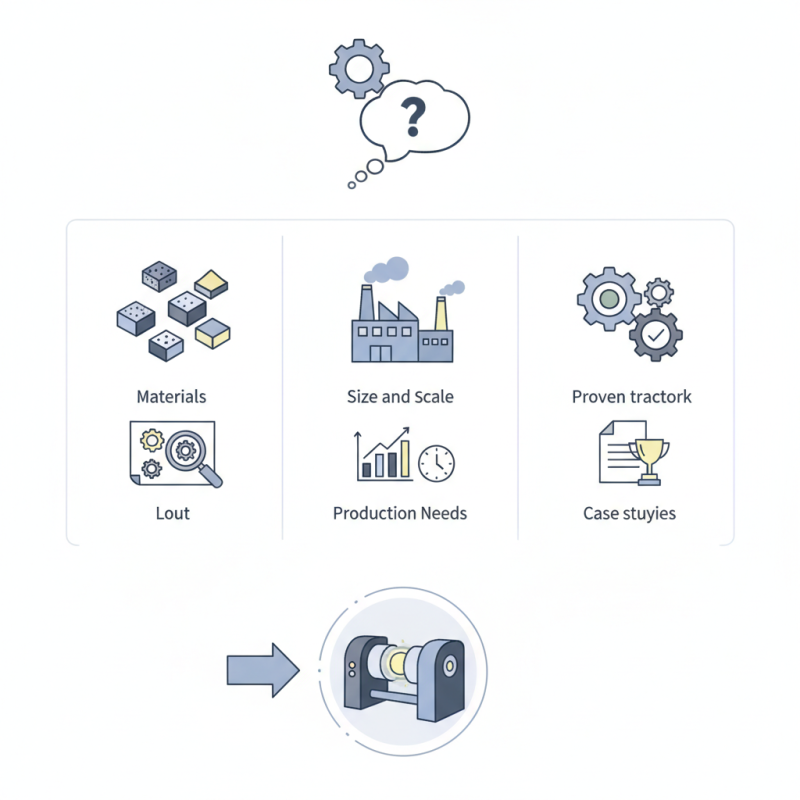
Consider the materials you are working with. Different applications require different types of Carbon Graphite Kneaders. A deep dive into the specifications will help. Look for units with a proven track record. Past experiences and case studies can offer valuable insights into their reliability.

The size and scale of your operation will also play a crucial role. Larger facilities might need robust kneaders, while smaller operations may benefit from compact models. Reflecting on your current production needs is essential. A thorough evaluation will lead you to an informed choice, ensuring optimal performance.
Top Tips for Choosing the Right Carbon Graphite Kneader?

Understanding the Basics of Carbon Graphite Kneaders

When selecting a carbon graphite kneader, knowing the basics is crucial. Carbon graphite kneaders are unique machines for processing materials. They excel in handling high-viscosity compounds. A recent industry report shows that the global demand for kneaders is projected to reach $1.5 billion by 2025. This highlights their importance in various industries like rubber and plastics.

Understanding the construction of a kneader is essential. Typically, they consist of two intermeshing rotors. These rotors create shear and dispersive forces. This design enables uniform blending of raw materials. Many users overlook maintenance, which can lead to decreased efficiency. A well-maintained machine can significantly improve the lifespan and performance of a kneader.

Moreover, material choices impact the kneader's performance. High-quality carbon graphite offers better thermal conductivity. However, the cost of premium materials is higher. Deciding on a budget while ensuring quality is often challenging. Many suppliers may offer lower prices, but this might compromise the equipment's durability. Careful consideration is needed here, as the right choice enhances productivity and reduces long-term costs.

Key Factors to Consider When Selecting a Carbon Graphite Kneader

When selecting a carbon graphite kneader, focus on a few key factors. The material's quality is critical. A high-performance kneader should use durable carbon and graphite composite materials. Look for reliable suppliers who provide details about their sourcing and manufacturing processes. This ensures the kneader can withstand rigorous operation.

Another essential factor is the kneader's design. A proper design will enhance mixing efficiency. It's important to choose a model that allows for easy cleaning and maintenance. Many users overlook this, but a messy kneader can lead to contamination. Pay attention to the size of the kneader as well—it should fit your production space without compromising workflow.

Consider the technical specifications. The kneader’s power and speed settings should align with your production needs. Some might find they need more flexibility than the standard options provide. Reflect on your long-term requirements and how they might evolve. After all, it’s better to invest in a versatile option that can adapt to future changes in your process.

Evaluating the Performance and Efficiency of Kneaders

When selecting a carbon graphite kneader, evaluating its performance and efficiency is crucial. Performance can be assessed through several parameters. Look for kneaders that provide uniform distribution of materials. Consistent mixing leads to better product quality. Take note of the operational speed. A faster kneader can save time, but it may reduce control over the mixing process.

Efficiency in energy consumption is another vital criterion. Ideally, a kneader should use its energy resources wisely. Some models consume more energy than necessary, leading to higher operational costs. Regular energy audits can help identify less efficient kneaders.

Observing user feedback is also essential. Many users share their experiences with performance issues that manufacturers may overlook. Pay attention to any recurring complaints or praises. This insight can help steer you toward better choices. Remember, each kneader has its quirks. Finding the right balance between performance and efficiency takes time and reflection. Think critically about what features are non-negotiable for your operations.

Performance Analysis of Carbon Graphite Kneaders

Material and Design Considerations for Durability

Choosing the right carbon graphite kneader requires careful consideration of material and design. Durability is paramount in high-stress applications. Graphite, known for its excellent wear resistance, plays a critical role in this selection. A study shows that high-quality graphite can reduce wear by up to 30% compared to standard materials. This translates into longer lifespans and cost savings for manufacturers.

The design of the kneader also affects its durability. Factors such as wall thickness and reinforcements should not be overlooked. A report from Industry Insights highlights that optimally designed kneaders can withstand extreme temperatures and pressures. These designs help prevent failures and downtime. Material choices, such as composite materials, can enhance the structural integrity of the kneader.

However, it's important to note that not all designs provide the same level of reliability. Some may fail under specific operational conditions. Manufacturers should conduct thorough testing to ensure performance standards are met. This focus on details can lead to significant advancements in efficiency and product quality. Balancing cost and performance will ultimately define the kneader's effectiveness in production lines.

Assessing Manufacturer Reputation and Support Services

When selecting a carbon graphite kneader, it's crucial to assess the manufacturer's reputation. A reliable company often has a solid track record, proven by years of industry experience. According to industry reports, around 70% of successful manufacturers prioritize customer feedback and after-sales support. This data highlights the importance of support services in ensuring smooth operations.

Examining support services requires understanding how quickly a manufacturer resolves issues. Statistics show that companies with robust support systems tend to have a 60% higher customer satisfaction rate. A dedicated support team can significantly affect production efficiency. Delays in service response can lead to production halts, costing companies time and money.

Research indicates that transparency in manufacturing practices often correlates with quality assurance. A solid reputation often stems from clear communication and consistent product quality. Many manufacturers display certifications and partnerships, enhancing their credibility. Customers should investigate independent reviews to gauge overall trustworthiness. Observing industry standards and best practices can guide prospective buyers toward informed decisions.

Ready to think outside the box? Let's get started!

Get in touch with a custom packaging specialist now for a free consultation and instant price quote.

blue colored shape
blue colored shape
blue colored wave shape