Unpack expert insights with a range of content from our packaging wizards, featuring in-depth guides, custom packaging tips and inspiring customer stories. Grow from beginner to pro with step-by-step articles on paper options, spot UV, Adobe Illustrator, image resolution, subscription boxes, digital proof guidelines, die-cutting, full color print techniques, ink coverage, corrugated cardboard, shipping strategy, box templates, and more from a trusted packaging industry leader.
In today's scientific landscape, Dna Purification is pivotal for various applications. Researchers and labs worldwide face the challenge of selecting the right purification methods to ensure accurate results. Each solution may vary in efficiency, cost, and user-friendliness.
Many buyers encounter confusion when navigating through numerous products available in the market. Some methods promise quick results, while others focus on quality and yield. Understanding these options is crucial for making informed decisions. Each DNA purification solution carries its own strengths and weaknesses. Therefore, thorough research is essential.
Investing in the right DNA purification solution can significantly impact research outcomes. Users must evaluate technical specifications, ease of use, and overall reliability. Exploring firsthand experiences from various labs can provide valuable insights. With so many choices available, cultivating a critical approach in selecting the best solution is more important than ever.
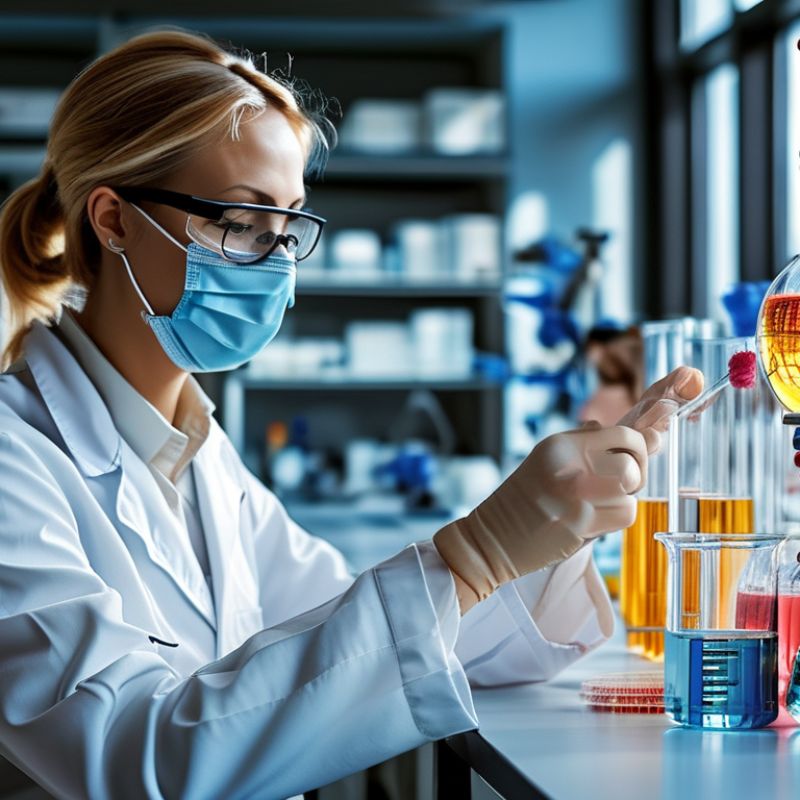
DNA purification techniques play a crucial role in various fields, such as genetics, forensics, and medical research. These methods ensure the isolation of high-quality DNA from different sources, including blood, tissues, and cells. The importance of reliable purification cannot be overstated. Contaminated or degraded DNA can lead to inaccurate results in downstream applications.
Common techniques include phenol-chloroform extraction, silica-based methods, and magnetic bead technology. Each method has its pros and cons. For instance, silica-based methods are less toxic and often yield high purity. However, they may require careful handling and optimization. Understanding the unique characteristics of each technique aids researchers in selecting the best approach for their specific needs.
Nevertheless, challenges persist in DNA purification. Factors like sample quality and handling conditions can affect the final outcome. Researchers must continually reflect on their methods to improve reliability. Experimentation and adaptation to evolving technologies remain vital. The pursuit of efficient DNA purification solutions continues to shape scientific discoveries and innovations.
Choosing the right DNA purification solution is crucial for researchers. Factors like sample type, yield, and purity impact results significantly. A recent report highlights that over 40% of labs faced issues with DNA degradation during purification. This emphasizes the importance of selecting a reliable method.
Consider the sample source when evaluating options. Different sources, such as blood, tissue, or cell cultures, require unique purification approaches. For instance, a method that works well for bacterial DNA may not be suitable for mammalian DNA. Additionally, the expected yield can vary widely; some methods report efficiencies under 50%. Such data must inform your choice.
Purity is another critical factor. Impurities can affect downstream applications like PCR and sequencing. A study showed that high-purity DNA increased the accuracy of sequencing results by nearly 30%. Researchers should scrutinize protocols and validation studies before making selections. While various products exist, ensure they align with your specific experimental needs to improve reliability and accuracy.
When choosing a DNA purification solution, understanding the unique features is crucial. Look for methods that separate DNA efficiently. Some products utilize silica-based technology, while others rely on magnetic beads. Each has distinct advantages depending on the sample type.
It's essential to consider the benefits of faster processing times. Many purification solutions minimize the time required for DNA extraction. This efficiency results in more reliable results. For researchers on a tight schedule, this aspect is vital. Additionally, ease of use can greatly influence your choice. A user-friendly kit can save you time and reduce errors in your workflow.
Tips: Always evaluate your specific application needs. Some products may not suit all sample types. Pay attention to the required input volume and the expected yield. Accuracy in handling samples leads to better outcomes. Don't hesitate to reflect on your previous experiences. Adjust your choices based on what has worked or failed before. Experimenting with different kits can help refine your method. Always be open to learning from trial and error.
In the field of molecular biology, DNA purification is critical for accurate analysis and experimentation. A variety of methods exist, each with its own advantages and disadvantages. Some techniques, like silica-based purification, are user-friendly and efficient. Yet, they may not provide the highest purity levels for specific applications.
When choosing a DNA purification method, consider the source and quality of your sample. Different methods yield varying results based on the complexity of the initial material. For instance, samples with high contamination might require more intensive purification processes. It’s important to assess the required purity for your downstream applications.
**Tips:** Always perform a pilot test to gauge the efficiency of your chosen method. This can save time and resources in the long run. Also, remember that temperature and reaction times can greatly affect results. Small adjustments can lead to significant improvements in DNA yield and quality. Test different approaches, as each has unique nuances worth exploring.
For global buyers in DNA purification, choosing the right solution is critical. Experienced researchers emphasize the need for precision and reliability when selecting purification methods. Complex sample types, such as those containing inhibitors, can impact results significantly. A user-friendly protocol is essential. This ensures that even those new to molecular biology can achieve successful outcomes.
Different purification techniques cater to various needs. For instance, silica-based methods are popular for their efficiency and simplicity. However, they can sometimes lead to variable yields, causing frustration. Comparatively, magnetic bead-based processes offer greater flexibility and reproducibility. Still, the cost of these reagents can be a barrier for budget-conscious labs. Evaluating your lab’s specific requirements is vital in making informed decisions.
Researching recommended protocols from experienced practitioners enhances the decision-making process. Discussions in online forums and scientific communities often reveal real-world challenges faced with each method. A common concern is the often underestimated time required for optimization. Small variations in technique can lead to different outcomes. Acknowledging these aspects is crucial for achieving high-quality DNA isolation.
Get in touch with a custom packaging specialist now for a free consultation and instant price quote.

Type your email address and we’ll send you the discount code directly to your inbox.