Unpack expert insights with a range of content from our packaging wizards, featuring in-depth guides, custom packaging tips and inspiring customer stories. Grow from beginner to pro with step-by-step articles on paper options, spot UV, Adobe Illustrator, image resolution, subscription boxes, digital proof guidelines, die-cutting, full color print techniques, ink coverage, corrugated cardboard, shipping strategy, box templates, and more from a trusted packaging industry leader.
Global buyers often face a crowded market when selecting Whey Hydrolyzed Peptide products. Product names can sound similar, yet their peptide profiles, processing methods, and quality controls may differ significantly. This guide introduces ten commonly discussed types for buyers comparing sports nutrition, clinical nutrition, and functional food applications. It focuses on practical purchasing questions, not impressive labels alone.
A reliable evaluation begins with the raw material. Buyers should review whey source, hydrolysis level, protein content, flavor profile, solubility, and documented allergen controls. Batch-specific certificates of analysis can help verify identity, microbiological safety, moisture, and heavy metal limits. Supplier experience also matters. A dependable manufacturer should explain its processing steps, testing frequency, traceability system, and storage conditions clearly. Small details count. A clean specification sheet is useful.
The ranking is not universal. A peptide suitable for a ready-to-mix beverage may perform poorly in a medical formula or high-protein bar. Cost, regional regulations, labeling requirements, transport temperature, and consumer preferences can change the best choice. Some suppliers provide limited clinical evidence, while others offer stronger technical documentation. Buyers should question unclear claims and request representative samples before signing long-term contracts. Taste remains easy to underestimate. A product that dissolves quickly may still leave bitterness or sediment in the glass.
This overview combines technical criteria with practical buying experience. It also recognizes uncertainty, because supplier data and market conditions can change. Each category deserves careful verification before commercial adoption.
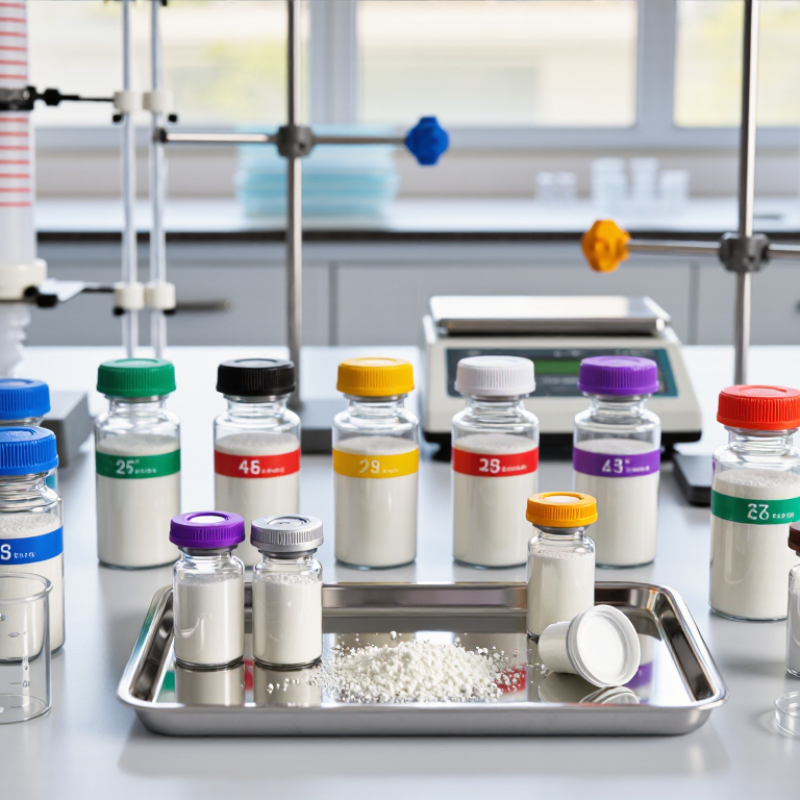
Whey hydrolyzed peptides are short protein fragments produced by breaking whey proteins into smaller chains. Enzymatic hydrolysis uses food-grade proteases under controlled temperature and pH conditions. The process reduces peptide size, but it does not create one uniform molecule. Each batch contains a distribution of dipeptides, oligopeptides, and larger fragments.
Their structure affects solubility, taste, absorption, and functional performance. Smaller peptides generally disperse quickly in water, while larger fractions may support better texture. However, “more hydrolyzed” does not always mean better. Excessive hydrolysis can create bitterness and reduce product appeal. Buyers should review the degree of hydrolysis, molecular-weight profile, protein content, and residual lactose rather than relying on a simple label.
Reliable production includes filtration, enzymatic treatment, heat control, drying, and repeated quality checks. Experienced suppliers usually provide certificates covering identity, microbiological safety, moisture, heavy metals, and allergen status. Analytical tools such as chromatography can confirm peptide distribution, although testing methods differ between laboratories. That makes comparisons imperfect. I would also question unusually broad performance claims without human data. A practical specification should state the raw material, enzyme system, processing conditions, storage requirements, and batch-testing method. Small details matter here.
For global buyers, whey hydrolyzed peptides are best classified by hydrolysis degree and composition, not by marketing labels alone. Mildly hydrolyzed whey retains larger peptide chains and may show a softer processing profile. Moderately hydrolyzed material contains shorter chains, often with improved dispersibility. Extensively hydrolyzed whey contains very small peptides and free amino acids. The boundary is not always clean.
Hydrolysis degree is commonly assessed through degree of hydrolysis, peptide-size distribution, and residual intact proteins. A buyer should request laboratory data, not rely only on terms such as “fast” or “premium.” Size matters. A powder dissolving in warm water with few visible particles may indicate better processing control, but solubility alone cannot prove peptide quality. This is where practical testing matters.
Composition creates another classification layer. Some types are richer in beta-lactoglobulin-derived peptides, while others emphasize alpha-lactalbumin fractions or glycomacropeptide-related components. Their amino acid ratios, mineral levels, lactose content, and remaining intact proteins can differ substantially. These details affect taste, application, and tolerance. Check the certificate of analysis, allergen statement, microbiological results, and storage conditions. Ask how enzymatic hydrolysis was controlled, including temperature, pH, and reaction time. Results can vary between batches. Even accurate specifications may not predict every formulation outcome. A small pilot test is still wiser than a large assumption.
Global buyers increasingly compare hydrolyzed whey by peptide size, hydrolysis degree, and tested functionality. MarketsandMarkets’ 2024 whey protein report projects steady market growth through 2029, while Grand View Research identifies sports nutrition and clinical nutrition as important demand areas. These reports cover whey protein broadly, not every peptide fraction. That distinction matters.
The ten practical types include:
Small peptides usually disperse quickly and may support easier digestion. However, peptide size alone does not prove superior absorption. Degree of hydrolysis, amino acid balance, solubility, taste, and processing control also affect performance. The classification is useful, but not perfect.
Tips: Request a batch-specific certificate of analysis. Check peptide-size distribution, hydrolysis degree, protein content, microbiological results, heavy-metal testing, and allergen statements. Buyers should also ask for validated methods, not vague “high purity” claims. A 2023 Innova Market Insights review showed continued innovation in protein products, yet market language can move faster than clinical evidence. For buyers, that is an uncomfortable but necessary reminder. Choose documented functionality over fashionable labels.
Top 10 Whey Hydrolyzed Peptide Types for Global Buyers?
International buyers should classify whey hydrolyzed peptides by more than their product name. Common options include bovine whey peptide, grass-fed whey peptide, instantized peptide, low-molecular-weight peptide, medium-molecular-weight peptide, high-hydrolysis peptide, dipeptide-rich powder, tripeptide-rich powder, agglomerated powder, and neutral-flavored peptide powder. Each type may suit different beverage, nutrition, or food applications. However, processing claims need evidence.
Quality begins with a clear specification. Request the degree of hydrolysis, peptide molecular-weight distribution, protein content, moisture, solubility, and amino acid profile. A low molecular weight number alone is not enough. Review batch-specific certificates of analysis, not only standard templates. Check microbiological limits, heavy metals, allergens, residual cleaning agents, and undeclared additives. Small details matter. A faint fermented odor or uneven powder flow can signal storage or processing problems.
Safety depends on traceability from milk collection to final packing. Suppliers should demonstrate hygienic production, validated allergen controls, and documented recall procedures. Independent testing is useful, especially for first orders. Regulatory acceptance varies by destination, so verify permitted ingredients, labeling language, nutrition claims, import documents, and novel-food requirements with local specialists. Do not treat one country’s approval as global clearance. Specifications can still miss real-world risks. Temperature exposure during sea freight, damaged inner bags, and inconsistent customs paperwork deserve attention before contract signing.
Global buyers should compare hydrolyzed whey peptides by specification, not by the product name alone. Check the hydrolysis degree, peptide-size distribution, protein content, moisture, and amino acid profile. These details affect absorption claims, texture, and processing performance. Suppliers should provide current certificates of analysis, allergen statements, microbiological results, and traceability records. Ask how each batch is tested. A polished document is not proof of consistent quality.
Tips: Request samples from at least three suppliers. Test solubility in cold water, foam, taste, and sediment after thirty minutes. Compare the same dosage and mixing method. No spreadsheet replaces a bench test.
Application should guide the comparison. Fast-dissolving peptides may suit ready-to-mix beverages, sports nutrition powders, or clinical-style formulas. Less processed profiles can fit protein foods where mouthfeel matters more. Pricing depends on protein concentration, hydrolysis level, packaging, order volume, freight, and payment terms. Calculate landed cost, not only the quoted kilogram price. Also review minimum order quantities and lead times. A cheap material can become expensive after reformulation or delayed delivery. Market fit is easy to overestimate. Confirm local food regulations, labeling rules, allergen controls, and permitted claims before committing. Pilot batches often reveal bitterness, instability, or poor consumer acceptance. That step may feel slow, but skipping it creates avoidable risk.
The chart compares common whey hydrolysate specification profiles using typical protein-content benchmarks and indicative degree-of-hydrolysis bands. Whey protein isolate-based hydrolysates generally offer higher protein purity and lower lactose, while extensively hydrolyzed and medical-nutrition grades provide smaller peptide profiles and higher processing intensity. Actual specifications, pricing, solubility, sensory performance, and regulatory suitability should be verified through supplier documentation and batch testing.
Get in touch with a custom packaging specialist now for a free consultation and instant price quote.

Type your email address and we’ll send you the discount code directly to your inbox.