Unpack expert insights with a range of content from our packaging wizards, featuring in-depth guides, custom packaging tips and inspiring customer stories. Grow from beginner to pro with step-by-step articles on paper options, spot UV, Adobe Illustrator, image resolution, subscription boxes, digital proof guidelines, die-cutting, full color print techniques, ink coverage, corrugated cardboard, shipping strategy, box templates, and more from a trusted packaging industry leader.
China has become a global hub for manufacturing, especially in the sector of machined metal parts. As noted by industry expert Dr. Li Wei, "the innovation in China Machined Metal Parts Factories is unmatched." This statement not only highlights the technological advancements but also signifies the strategic advantage these factories have in serving international buyers.
Many factories in China specialize in precision machining and high-quality production. They utilize advanced CNC machines and skilled labor to create parts for various industries, including automotive, aerospace, and electronics. Despite the booming growth, challenges remain. Quality consistency and communication issues can arise when working with overseas buyers.
Buyers need to carefully assess potential partners. Visiting factories before decision-making can offer deeper insights into their capabilities. While there are many outstanding China Machined Metal Parts Factories, not all meet the desired standards. Understanding these nuances is crucial for any global buyer looking to engage with this dynamic market.
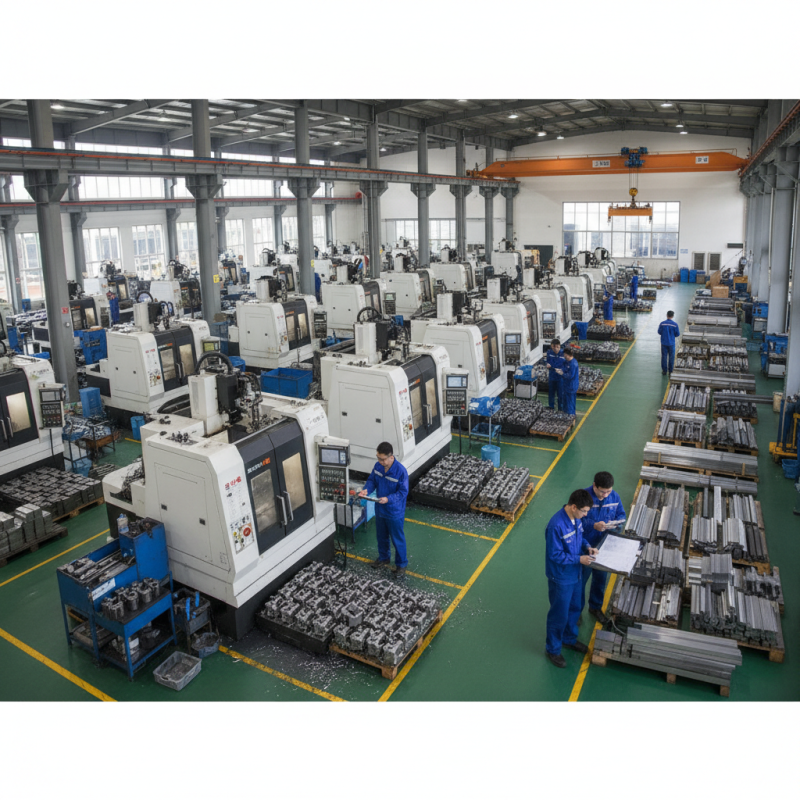
China's machined metal parts industry plays a vital role in the global manufacturing sector. With advanced technology and automation, factories in China produce a diverse range of metal components. These parts are essential for various industries, including automotive, aerospace, and electronics. Precision machining techniques enhance product quality, ensuring that components meet rigorous standards.
One of the challenges in this industry is the quality control process. Although many factories adopt strict quality checks, inconsistencies can still occur. The reliance on skilled labor varies significantly. Not all regions have access to technicians with the needed expertise. This discrepancy can lead to variations in production quality. Additionally, the fast-paced market demands can sometimes compromise meticulous craftsmanship.
Moreover, environmental regulations are becoming more stringent. Factories are under pressure to adopt greener manufacturing processes. This shift can be costly and may affect production timelines. The industry must navigate these challenges while maintaining competitiveness. Striking a balance between efficiency and sustainability remains an ongoing concern for many factories.
When selecting top machined metal parts factories in China, buyers must consider several critical criteria. Quality assurance is paramount. Factories should implement stringent quality control measures throughout their production process. This includes regular inspections and certifications that ensure compliance with international standards. Buyers should request details on these quality practices to understand the factory's commitment to excellence.
Experience in the industry can also be a deciding factor. Factories with a long history of producing machined metal parts typically have refined their processes. They understand the nuances of different materials and can provide valuable insights. Additionally, advanced machinery and technology usage is important. Factories that invest in the latest equipment are better positioned to deliver precision and consistency.
Communication is another essential aspect. Factories that prioritize clear and prompt communication can help prevent misunderstandings. This includes their ability to respond to queries and provide updates during the production process. Buyers should reflect on their previous experiences with factories. Were they satisfied with the response times? Did they feel valued as customers? The answers to these questions can guide future choices in finding the right manufacturing partner.
China's manufacturing sector is a powerhouse, especially in precision machined metal parts. A recent report by ResearchAndMarkets indicates that the global CNC machining market is expected to reach USD 100 billion by 2026. China plays a crucial role, accounting for over 30% of the global market share. This tremendous growth highlights the importance of identifying leading factories that meet international quality standards.
Among the top factories, most excel in specialized processes such as CNC machining, die casting, and sheet metal fabrication. Many of these manufacturers invest heavily in advanced technologies like robotic automation and computer-aided design (CAD). These investments improve precision and reduce lead times, making them attractive options for global buyers. However, challenges exist, such as quality inconsistencies and communication barriers with overseas clients. Despite these concerns, several factories maintain stringent quality control systems, ensuring reliable output.
The industry is evolving. A report from Grand View Research notes that sustainable practices are becoming a priority. Eco-friendly methods appeal to buyers focused on corporate social responsibility. While many factories have started to adapt, the shift is not uniform. Some still rely on traditional processes, which raises questions about long-term viability. Overall, the urgency for modernization and quality assurance continues to shape the landscape of China’s machined metal parts industry.
When partnering with Chinese factories for machined metal parts, global buyers should consider several key factors. The manufacturing landscape in China produces approximately 28.7% of the world's total industrial output. These factories often excel in precision machining, but not all are equal. Buyers must evaluate a factory’s certifications, such as ISO 9001, to ensure quality standards. Only 35% of Chinese factories had this certification as of 2021, highlighting the importance of thorough vetting.
Supply chain transparency is also crucial. Reports indicate that 60% of buyers encounter delays due to unexpected supply chain issues. Communication barriers can complicate this further. Many factories may not fully understand complex requirements without clear specifications. In some cases, misunderstandings can lead to costly errors. Frequent visits to the manufacturing site can minimize these risks.
Cultural differences can create friction. Many factories adhere to traditional practices, which might not align with Western expectations. A lack of flexibility in production schedules is another common challenge. Buyers need to maintain open lines of communication and foster relationships built on trust. Only by addressing these issues proactively can global buyers navigate the complexities of sourcing from China effectively.
China's machined metal parts industry is witnessing a wave of innovation. Manufacturers are adopting advanced technologies like CNC machining and additive manufacturing. These technologies improve precision and reduce waste, making production more efficient. However, challenges persist. Many factories struggle to maintain consistent quality, especially when scaling up production.
Sustainability is another key trend. Companies are increasingly focusing on eco-friendly materials and processes. This shift is fueled by global demand for greener products. Yet, some manufacturers still rely on traditional methods that harm the environment. There is a need for a balanced approach to modernization.
Investments in automation are on the rise. Robotics helps increase output and minimize human error. Nevertheless, the initial cost of these technologies can be prohibitive for smaller factories. Training staff to operate advanced equipment is another hurdle. The journey towards modernization is ongoing, with lessons to learn along the way.
Get in touch with a custom packaging specialist now for a free consultation and instant price quote.

Type your email address and we’ll send you the discount code directly to your inbox.