Unpack expert insights with a range of content from our packaging wizards, featuring in-depth guides, custom packaging tips and inspiring customer stories. Grow from beginner to pro with step-by-step articles on paper options, spot UV, Adobe Illustrator, image resolution, subscription boxes, digital proof guidelines, die-cutting, full color print techniques, ink coverage, corrugated cardboard, shipping strategy, box templates, and more from a trusted packaging industry leader.
In the world of fitness and wellness, an increasing number of athletes and health enthusiasts are turning to Eaa Supplements. A recent report by the Global Sports Nutrition Market indicates that the demand for amino acid-based supplements has surged by 48% over the past five years. This reflects a growing awareness of their potential benefits for muscle recovery and performance enhancement.
Dr. Emily Harper, a well-respected sports nutritionist, emphasizes the importance of these supplements. She states, "Eaa Supplements can significantly improve muscle protein synthesis, which is crucial for recovery and growth." This insight highlights their critical role in modern athletic training.
However, not all supplements are created equal, and consumers must take care in their choices. Some products may lack transparency regarding ingredient quality. Furthermore, individual dietary needs vary greatly. It's essential to consider personal health goals when selecting an Eaa Supplement. Understanding these nuances can lead to more informed, effective decisions.
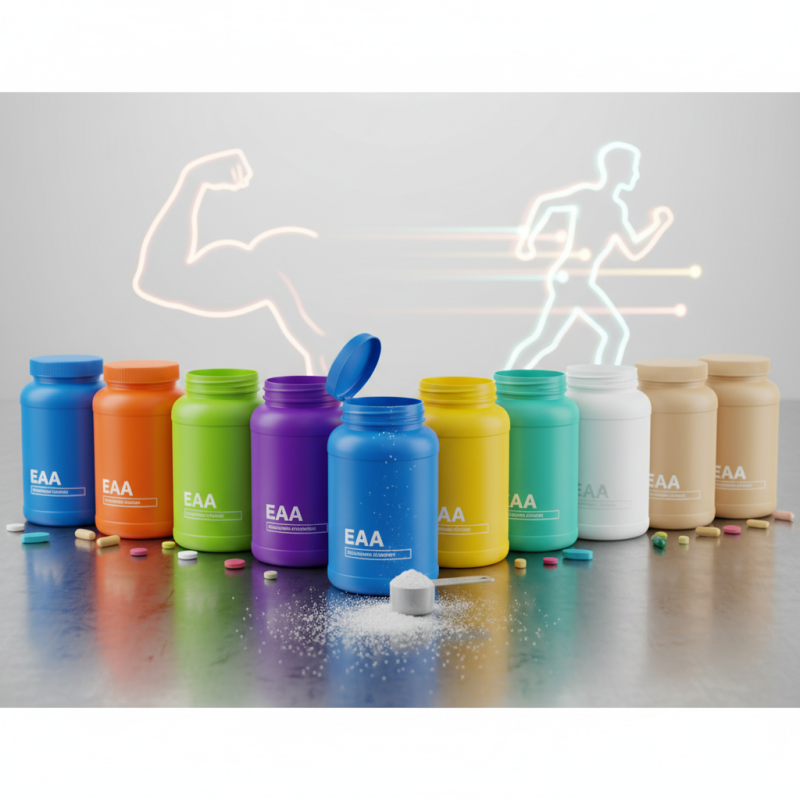
Eaa supplements, or essential amino acid supplements, play a significant role in boosting health and performance. These compounds are vital for muscle growth, recovery, and overall well-being. According to a report by the International Society of Sports Nutrition, essential amino acids are essential not only for athletes but for anyone aiming to enhance physical performance. They promote muscle protein synthesis, which is crucial for muscle building and repair.
Studies suggest that taking Eaa supplements may improve workout results. A research review in the Journal of Nutrition indicates that the right dosage can lead to increased strength and endurance. These benefits can empower both seasoned athletes and casual gym-goers alike. It is essential to incorporate them into a balanced diet for optimal effects.
Tips: When considering Eaa supplements, aim for a mix of protein sources. Monitor how your body responds initially. Adjust dosages as necessary. Remember, balance is key in any supplement strategy.
When selecting EAA (essential amino acid) supplements, it's crucial to focus on their key ingredients. A blend of all nine essential amino acids is ideal for supporting muscle growth and repair. Look for BCAAs, such as leucine, isoleucine, and valine, which play a vital role in enhancing performance. Leucine, in particular, triggers muscle protein synthesis, making it a critical element to consider.
In addition to amino acids, examine other ingredients like citrulline and beta-alanine. Citrulline helps increase blood flow and aids in recovery. Beta-alanine buffers acid in muscles, which can enhance endurance during workouts. Quality matters. Not all EAA supplements are created equal; some may have fillers or artificial flavors. Always check labels and ingredient lists for transparency.
Lastly, consult professionals or nutritionists before starting any new supplement. Each individual's body responds differently. It’s essential to reflect on personal health goals and circumstances. While these supplements can boost performance, they are not a substitute for a balanced diet and proper training. Understanding each ingredient's purpose will empower you to make informed choices.
Essential amino acids (EAAs) are crucial for muscle recovery and overall health. Many fitness enthusiasts use EAA supplements to enhance their performance. Evidence suggests that these supplements can help with muscle protein synthesis and recovery times. They may also positively influence endurance during exercise.
Numerous studies indicate that EAAs can bolster mental focus. This can lead to improved workout sessions. However, it’s essential to choose the right types of EAAs for your needs. Not all supplements deliver the same benefits or efficacy. Individual responses to these supplements can vary significantly, making it important to stay attuned to your body’s reactions.
It’s also valid to reflect on the dosage and timing of EAA intake. Some people report better results when consuming them before workouts, while others prefer taking them post-exercise. The science behind effective usage is still evolving. Therefore, ongoing research will help refine our understanding of how to best utilize EAAs for health and performance enhancement.
Incorporating EAA (Essential Amino Acids) supplements into your diet can be a game changer. Start by assessing your current protein intake. If you're not meeting daily protein recommendations, EAA supplements might help bridge that gap. Mixing them into a smoothie or shake can enhance your post-workout recovery. Aim for a serving between workouts to maximize their benefits.
It's essential to listen to your body. Some may find EAA supplements beneficial, while others might experience digestive discomfort. Gradually introduce them into your routine to gauge your response. Timing is crucial. Taking EAAs before or after workouts can optimize muscle repair. Experiment with different dosages to find what feels right for you.
Stay mindful of your overall diet. EAA supplements should complement whole food sources. A balanced diet rich in protein and nutrients is still vital. And remember, relying solely on supplements can create nutritional gaps. Prioritize a holistic approach to health and performance. Each person's journey is unique, so don't hesitate to adjust your intake as needed.
| Supplement Name | Main Benefits | Dosage | Best Taken With |
|---|---|---|---|
| L-Leucine | Muscle protein synthesis | 2-4 grams | After workouts |
| L-Isoleucine | Energy production and recovery | 2-6 grams | With meals |
| L-Valine | Muscle recovery and endurance | 2-4 grams | Before workouts |
| L-Threonine | Collagen production | 1-3 grams | With vitamin C |
| L-Lysine | Immune support and calcium absorption | 1-3 grams | With meals |
| L-Methionine | Antioxidant support | 1-2 grams | Before workouts |
| L-Phenylalanine | Mood enhancement | 500-1000 mg | With food |
| L-Glutamine | Gut health and muscle recovery | 5-10 grams | Post-workout |
| L-Tryptophan | Sleep support | 500-1000 mg | Before bedtime |
When considering EAA supplements, safety is paramount. It’s crucial to consult with healthcare professionals before starting any supplementation. Not all individuals respond the same way to amino acids. Some may experience side effects or allergic reactions. Common adverse effects can include gastrointestinal discomfort or fatigue. Everyone's body is unique, and reactions can vary widely.
Dosing is another important consideration. The optimal amount depends on individual health conditions and fitness goals. Taking too much can strain the kidneys over time. Staying hydrated is essential to help your body process amino acids. A balanced diet should not be overlooked. Relying solely on supplements might deprive the body of necessary nutrients.
Monitoring your body's response is key. Keep a journal to track any changes in mood, energy, or overall health. This can help highlight problematic areas. Recognizing when something is off is vital. Remember, supplementation is best viewed as a part of a holistic health approach. Adjusting lifestyle choices can significantly enhance overall wellness. Prioritize safety, reflection, and informed choices on your health journey.
Get in touch with a custom packaging specialist now for a free consultation and instant price quote.

Type your email address and we’ll send you the discount code directly to your inbox.