Unpack expert insights with a range of content from our packaging wizards, featuring in-depth guides, custom packaging tips and inspiring customer stories. Grow from beginner to pro with step-by-step articles on paper options, spot UV, Adobe Illustrator, image resolution, subscription boxes, digital proof guidelines, die-cutting, full color print techniques, ink coverage, corrugated cardboard, shipping strategy, box templates, and more from a trusted packaging industry leader.
As the world shifts towards sustainable energy, the demand for innovative solutions is increasing. Ev Charger Solar technologies stand at the forefront of this evolution. These systems combine solar power with electric vehicle charging, offering an eco-friendly option for drivers. The integration of renewable energy is essential in reducing carbon footprints and promoting energy independence.
The 2026 landscape for EV Charger Solar solutions presents numerous opportunities. Companies worldwide are developing advanced products that cater to diverse consumer needs. Potential users often seek reliability, efficiency, and affordability in these systems. However, understanding the nuances of these solutions can be complex. Choices vary significantly based on location and infrastructure.
In exploring global options, it's crucial to recognize the variations in quality and performance. Not all products deliver the same benefits. Some may fall short in efficiency, while others might face installation challenges. Therefore, buyers must thoroughly research and assess their needs before investing in EV Charger Solar technologies.
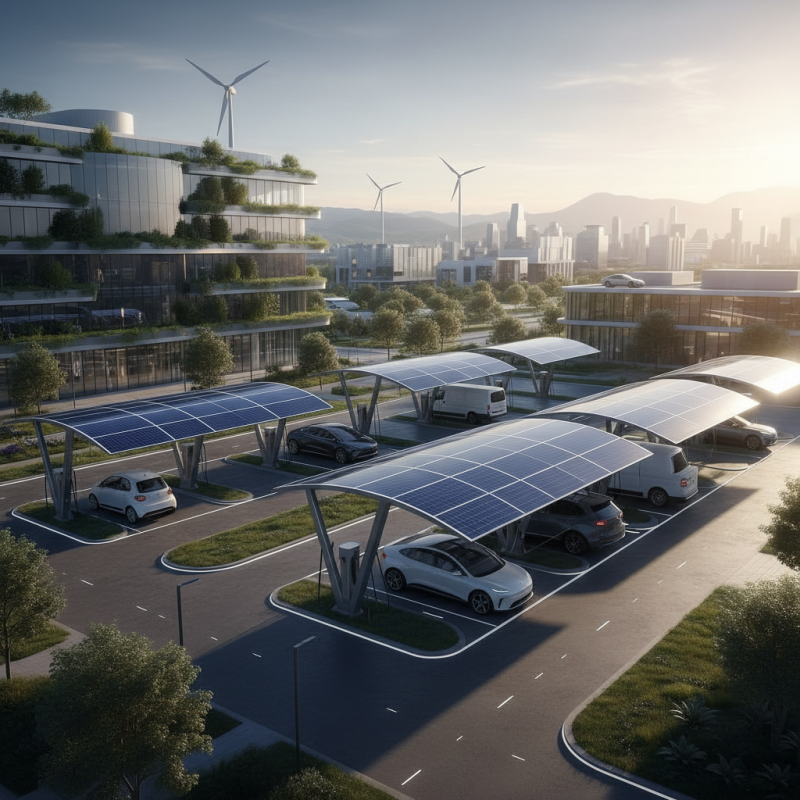
The surge in electric vehicle (EV) adoption necessitates innovative charging solutions. Solar-based charging stations are emerging as a viable option. According to the International Energy Agency, global EV sales reached 6.6 million units in 2021, indicating a growing need for sustainable charging infrastructure.
Solar solutions for EV chargers offer numerous benefits. They can significantly reduce electricity costs, particularly in regions with ample sunlight. A report by the National Renewable Energy Laboratory shows that a typical solar array can provide up to 80% of the energy needed for charging electric vehicles. This translates to substantial savings for both consumers and businesses.
However, the integration of solar charging stations is not without its challenges. Space limitations present a significant hurdle in urban environments. Maintenance and installation costs also require careful consideration. As solar technology improves, these barriers may diminish. How the industry evolves will determine the future accessibility of solar-powered EV charging solutions. Balancing cost and efficiency remains a critical area for ongoing reflection and development.
Solar-powered EV chargers are gaining traction. They blend renewable energy with electric vehicle (EV) charging. A report from the International Renewable Energy Agency (IRENA) noted a 25% growth in solar installations in the past year. This trend reflects a shift towards sustainable solutions.
Key features of top solar-powered EV chargers include efficiency, durability, and user-friendliness.
Efficiency is crucial. Advanced solar panels harness sunlight more effectively. Some models achieve over 20% efficiency, reducing charging times significantly.
Durability matters too. Many solar chargers are built to withstand harsh weather, ensuring long-term performance. Furthermore, intuitive interfaces enhance user experience. Buyers appreciate seamless integration with home energy systems.
Tips: Before purchasing, assess your location's sunlight availability. Check local regulations regarding installation. Understand the charger’s compatibility with your EV. Diverse options exist, but not every solution suits every user. Recognizing these factors can prevent regret later. As this market evolves, continuous improvement of these solutions becomes essential. The future is promising, yet remains unpredictable.
The global EV charging market is rapidly evolving. A recent report predicts that by 2026, the worldwide demand for EV chargers will exceed 7 million units annually. This surge is driven by increasing government regulations and incentives for electric vehicles, as well as growing consumer awareness of renewable energy solutions.
When comparing global EV charger suppliers, technology plays a crucial role. Many manufacturers are investing in solar-integrated charging solutions. These chargers can significantly reduce energy costs for consumers. By harnessing solar power, they offer a sustainable alternative. However, efficient energy storage remains a challenge. Experts highlight that optimizing battery storage systems is essential for consistent performance.
Market dynamics also reveal varying standards of charger efficiency. A study showed that only 20% of chargers currently meet the highest efficiency ratings. Suppliers are under pressure to improve. Inconsistent charging speeds and compatibility issues are barriers that need addressing. Moreover, the lack of uniform standards complicates the buying process. As global buyers navigate this complex landscape, thoughtful consideration is essential to make informed decisions.
| Supplier Location | Type of Charger | Charging Speed (kW) | Solar Integration | Warranty (Years) | Price Range (USD) |
|---|---|---|---|---|---|
| North America | Level 2 | 7.2 | Yes | 5 | 300 - 500 |
| Europe | DC Fast Charger | 150 | Yes | 3 | 10,000 - 15,000 |
| Asia | Ultra Fast Charger | 350 | Yes | 2 | 20,000 - 30,000 |
| Australia | Level 2 | 11.5 | No | 4 | 400 - 700 |
The rise of solar EV chargers is transforming sustainable transportation. Research indicates that integrating solar energy into electric vehicle infrastructure reduces greenhouse gas emissions significantly. According to a report by the International Energy Agency, over 40% of electric vehicles could be charged via solar by 2030.
The benefits extend beyond environmental impacts. Solar EV chargers enhance energy independence. They allow users to generate their own energy, leading to decreased dependence on fossil fuels. A study from BloombergNEF highlights that solar-powered chargers can cut operating costs by 70% over conventional systems. This shift can create more accessible charging options for all communities.
However, challenges remain. Energy storage solutions must improve for solar EV chargers to be fully effective. Current battery technologies can’t always support varying charging loads or nighttime usage. Additionally, initial costs for installation can deter some buyers. These barriers highlight the need for policy incentives and technological advances to foster broader adoption.
The future of electric vehicle (EV) charging is closely tied to advancements in solar technology. A recent report from the International Energy Agency (IEA) highlights that solar energy could account for 20% of global electricity by 2040. This shift presents a promising avenue for powering EV charging stations sustainably. Integrating solar panels into EV charging infrastructure can optimize energy use while reducing reliance on traditional grids.
Emerging trends indicate that building-integrated photovoltaics (BIPV) will play a significant role. BIPV technology allows solar cells to be incorporated directly into building materials. This can significantly enhance the aesthetic appeal of EV chargers. According to a report from Bloomberg New Energy Finance (BNEF), the market for BIPV is expected to grow at a compound annual growth rate of 30% through 2025. However, durability and installation costs remain challenges that require further exploration.
Battery storage solutions are also evolving. Improved efficiency in energy storage can enhance the reliability of solar-powered charging stations. The Global Battery Alliance predicts that battery prices could drop by 50% in the next decade. This reduction could facilitate the widespread adoption of solar as a primary energy source for EV charging. However, figuring out optimal storage solutions for varying energy demands will be crucial.
This bar chart illustrates the projected adoption rates of different solar technologies for electric vehicle charging by the year 2026. The data reflects advancements in solar panel efficiency, energy storage solutions, and integration with EV charging infrastructure.
Get in touch with a custom packaging specialist now for a free consultation and instant price quote.

Type your email address and we’ll send you the discount code directly to your inbox.